Health & Wellness
Understanding Poodle Allergies: Causes and Symptoms
By Marko · October 13, 2022 · Updated September 24, 2026
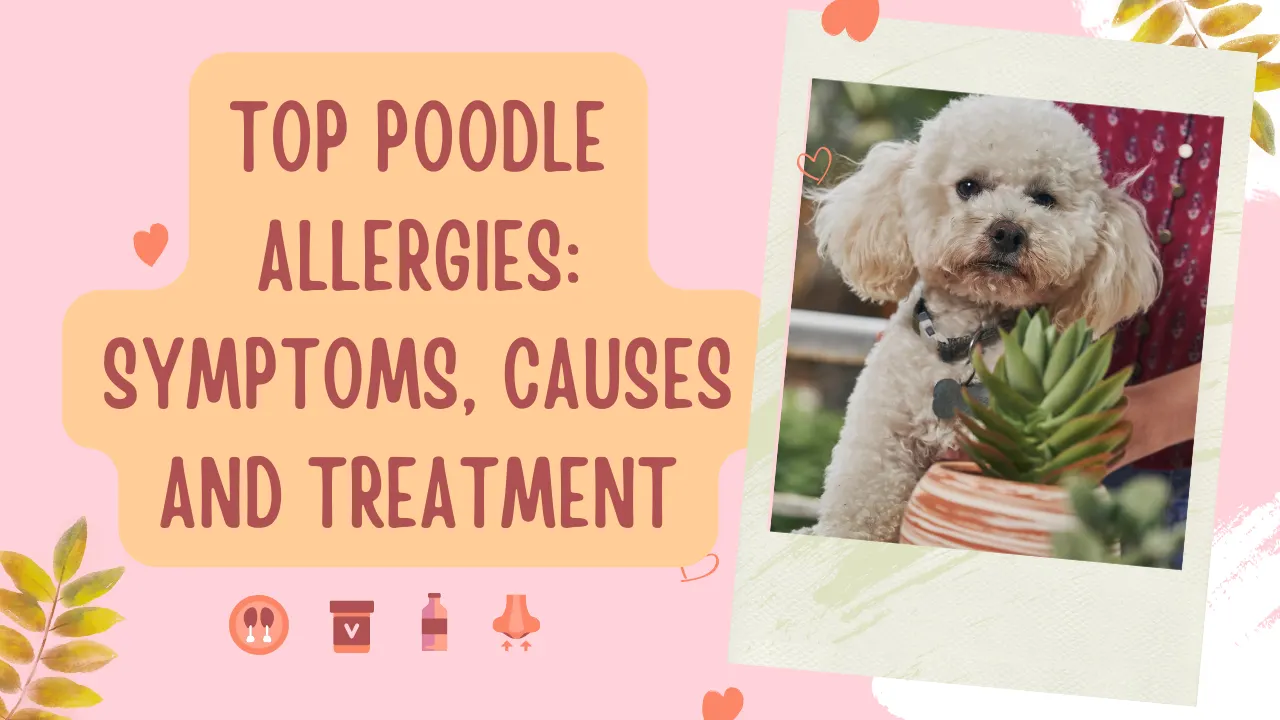
This article will explore the causes and symptoms of Poodle allergies in order for pet owners to understand their Poodle’s needs and sensitivities better. Poodles are known for being a hypoallergenic dog breed, and it is important to recognize the relationship between allergies in Poodles and their owners. By understanding what allergens can trigger allergies, both dog owners and Poodle’s can lead happier, healthier lives together.
| Type of Allergy | Symptoms |
|---|---|
| Food Allergy | Vomiting, diarrhea, itchy skin, ear infections, poor coat condition, chronic gas, and bloating |
| Inhalant Allergy | Sneezing, coughing, runny nose, itchy skin, red eyes, and wheezing |
| Contact Allergy | Redness, itching, and hives on the skin, paw biting, ear infections, and hair loss |
| Flea Allergy | Intense itching, skin irritation, hair loss, and inflamed skin |
| Bacterial Allergy | Skin infections, hot spots, and lesions |
| Yeast Allergy | Itchy, smelly skin, ear infections, and paw biting |
| Drug Allergy | Hives, facial swelling, and diarrhea |
Vet tip: When doing an elimination diet vets often use a hydrolyzed hypoallergenic diet (like Purina HA or Royal Canin Anallergenic) as regardless of what the dog reacts to, this food should be tolerated.
What Will You Learn?
- Are Poodles Hypoallergenic and What Does It Mean?
- Identifying Common Poodle Allergies and Causes
- Dealing with Skin Allergies in Poodles
- Determining Allergic Reactions to Poodle Saliva and Dander
- Allergy Treatment Options for Poodles and Their Owners
Key Takeaways
- Poodles are not allergy-free. They shed little, which helps some people with dog allergies, but their coat, saliva and dander can still set off a reaction.
- Most itchy poodles have fleas or an environmental allergy. Food allergy is the rarest of the three.
- A food allergy is diagnosed with an eight-week elimination diet trial. Blood, saliva and hair tests are not reliable.
- Treat the cause first, then add medication for flare-ups. Constant scratching damages the skin and invites bacteria and yeast.
- Treat secondary skin infections before judging an allergy plan, because infected skin stays itchy on its own.
Are Poodles Hypoallergenic and What Does It Mean?
What does hypoallergenic mean for a dog breed?
Hypoallergenic dog breeds are those which produce fewer allergens than other breeds, typically making them more suitable for allergy sufferers. This does not mean that they are completely allergen-free, but they produce less dander and other irritants that may cause allergic reactions in sensitive individuals.
Why are Poodles considered a hypoallergenic dog breed?
Poodles are considered hypoallergenic because they produce less dander compared to other breeds. Dander is composed of skin cells and proteins found in the dog’s coat, saliva, and urine that can trigger allergies. Poodles have curly hair, which holds less dander and also sheds less than other breeds, reducing the allergen exposure to pet owners.
Can people with allergies still have a Poodle?

While Poodles are considered hypoallergenic, it is possible for people with allergies to have a reaction to a Poodle still. However, the severity of the reaction can vary between individuals. It is essential to spend time around a Poodle to see if an allergic reaction occurs before making a commitment to own one.
Allergies in dogs fall into three groups: flea allergy, environmental allergy, and food allergy. Flea allergy is the most common and the easiest to fix. Environmental allergies often start as seasonal and can become year-round, while food allergy is the rarest of the three.
Identifying Common Poodle Allergies and Causes
Allergies in Poodles: What are the most common causes?
Allergies in Poodles are commonly caused by flea allergies, food allergies, and environmental allergens such as pollen, dust, and mold. Additional causes can include contact with irritating substances like household cleaners or grooming products, which may cause skin irritation or provoke an allergic response.
Understanding how flea allergies affect Poodles
Fleas are a common allergen to trigger allergies in Poodles. A Poodle with a flea allergy will experience an allergic reaction to the flea’s saliva, leading to skin irritation and itching. This can cause the Poodle to excessively scratch, bite, or lick the irritated skin, leading to hair loss, inflammation, and infection.
Environmental allergens: Pollen and Poodle allergies
Environmental allergens such as pollen, dust, and mold can cause allergies in Poodles, resulting in symptoms like itching, sneezing, and discomfort. These allergens can be found in the air and can trigger allergic reactions when inhaled or come into contact with the dog’s skin.
Constant scratching damages the skin and lets bacteria and yeast move in, which adds a smell and more itch. Your vet will often treat that infection first, because the skin has to settle before an allergy plan can work. If you skip this step, a good plan can look like a failure.
Dealing with Skin Allergies in Poodles
Causes of skin allergies in Poodles
Skin allergies in Poodles can be caused by flea bites, food allergies, or environmental allergens. Additionally, contact with irritants such as grooming products, household cleaners, or synthetic materials in bedding or toys can cause skin irritation and lead to an allergic reaction.

Allergy locations: Where do skin allergies affect Poodles?
Skin allergies in Poodles often affect areas such as the ears, face, paws, and belly. These areas of sensitive skin may become red, swollen, and itchy, leading to scratching, biting, and licking, which can further exacerbate the problem and lead to infection or hair loss.
Treatment options for skin allergies in Poodles
Several treatment options can alleviate skin allergies in Poodles. Depending on the cause, treatment options may include flea prevention, hypoallergenic dog food, antihistamines, medications to reduce inflammation, and topical treatments to soothe irritated skin. Regular grooming can also help control allergies by removing allergens from the Poodle’s coat.
Determining Allergic Reactions to Poodle Saliva and Dander

Poodle saliva: What causes allergens?
Poodle saliva contains proteins that can cause allergies in humans. The proteins found in saliva can adhere to the Poodle’s fur and dander, spreading allergens throughout the environment and potentially triggering an allergic reaction in sensitive individuals.
Poodle dander: Is it a significant allergen for people?
Poodle dander can be a significant allergen for people who are sensitive to it. However, Poodles produce less dander than other breeds, making them considered hypoallergenic. They may still cause an allergic reaction in some individuals, but the risk is generally lower due to their reduced dander production.
Handling Poodle Saliva and dander allergies in humans
To minimize allergies caused by Poodle saliva and dander, frequent grooming and bathing can help reduce the amount of allergens in the environment. Creating a designated area for your Poodle to sleep and play can also help minimize contact with allergens. For those with severe allergies, it may be necessary to consult a doctor about treatment options and consider other hypoallergenic pet options.
If your vet suspects food, the only reliable test is an elimination diet trial. You feed a prescription hydrolyzed or novel-protein diet as the sole food for eight weeks, then reintroduce the old food and watch for a return of signs. Eight weeks diagnoses about 90 percent of food-allergic dogs, and a flare after a challenge usually shows within 7 to 14 days. Blood, saliva and hair tests for food allergy are unreliable, and most over-the-counter diets are not strict enough for a true trial.
Allergy Treatment Options for Poodles and Their Owners
Allergy treatment methods for Poodle owners facing allergies
Pet owners should take steps to minimize allergen exposure by regularly grooming and bathing their Poodle, using hypoallergenic dog food, and controlling environmental allergens such as dust, pollen, and mold through air purifiers and cleaning. In some cases, allergy medications or immunotherapy may be helpful in managing symptoms.
Using antihistamines and fatty acids in Poodle allergy treatment
Antihistamines and omega-3 fatty acids, such as fish oil, can be helpful in reducing inflammation and allergy symptoms in Poodles. These supplements can be added to your Poodle’s diet or used topically on the skin to alleviate itching and discomfort caused by allergies.
How regular grooming affects Poodle allergies
Regular grooming helps manage Poodle allergies by removing loose hair, dander, and other allergens from the dog’s coat. Regular baths with hypoallergenic shampoo can also prevent skin irritation and keep the Poodle’s skin healthy. This can effectively reduce the amount of allergens in the environment and minimize allergic reactions in both the Poodle and its owner.
Frequently asked questions
Are poodles good for people with dog allergies?
Better than many breeds, but not allergy-free. Poodles shed little, so less hair and dander ends up in the room. People react to proteins in saliva, skin and urine, and no breed is free of those.
How do I tell a food allergy from an environmental one?
Food allergy usually causes itching all year, often around the face, ears, paws and rear. Environmental allergies are often seasonal at first and affect the paws, armpits and groin. Only an elimination diet trial can confirm food allergy.
Do allergy tests work in dogs?
Blood, saliva and hair tests for food allergy are unreliable. Skin and blood tests can support an environmental allergy diagnosis, but the result has to match your dog's signs and history.
How long does an elimination diet trial take?
Eight weeks is the standard, and it diagnoses about 90 percent of food-allergic dogs. The prescription diet must be the only food, including treats and flavoured chews, for the whole trial.
Sources
- American Animal Hospital Association. 2023 Management of Allergic Skin Diseases in Dogs and Cats.
- AVMA Journals. Food allergy in dogs and cats: current perspectives on diagnosis and management.
- Today's Veterinary Practice. Elimination diets for dogs and cats (2024).
- North Carolina State University College of Veterinary Medicine. Hydrolyzed diets.