Health & Wellness
Poodle Anal Glands: A Comprehensive Guide
By Marko · April 4, 2023 · Updated September 24, 2026
Poodle anal glands are a common concern for many pet owners. These small sacs sit on either side of the dog’s anus and produce a smelly secretion. However, anal sac issues are not exclusive to poodles; all dogs have these glands. This article will discuss everything you need to know about poodle anal glands, including how to drain them, their smell, and whether they can be removed.
What Will You Learn?
- Can Poodle Anal Glands Be Drained?
- Why Do Poodle Anal Glands Smell?
- Can Poodle Anal Glands Be Removed?
- Preventative Measures for Poodle Anal Glands Issues
- When to See a Veterinarian
Key Takeaways
- Anal glands usually empty on their own when a dog passes a firm stool. Soft stools and low fibre are common reasons they do not.
- Scooting, licking the rear, or a fishy smell are the usual signs of a problem.
- Frequent expressing is a symptom, not a solution. It can point to infection, allergy or a blocked duct.
- More fibre and firmer stools help many dogs empty the glands naturally.
- Leave expressing to your vet or groomer. Done wrong, it can bruise or damage the glands.
Can Poodle Anal Glands Be Drained?
Yes, poodle anal glands can be drained. In fact, regular expression of anal glands is necessary for your poodle’s overall health and well-being. Here are the steps to drain your poodle’s anal glands properly:
Step 1: Prepare Your Supplies
- Disposable gloves
- Paper towels or clean cloth
- Warm water and mild soap (optional)
- Lubricant (e.g., petroleum jelly)
Step 2: Position Your Poodle
Find a comfortable and secure position for both you and your dog. For example, you can have your poodle stand or lie down on its side, depending on what’s easier for both parties.
Step 3: Locate the Anal Glands
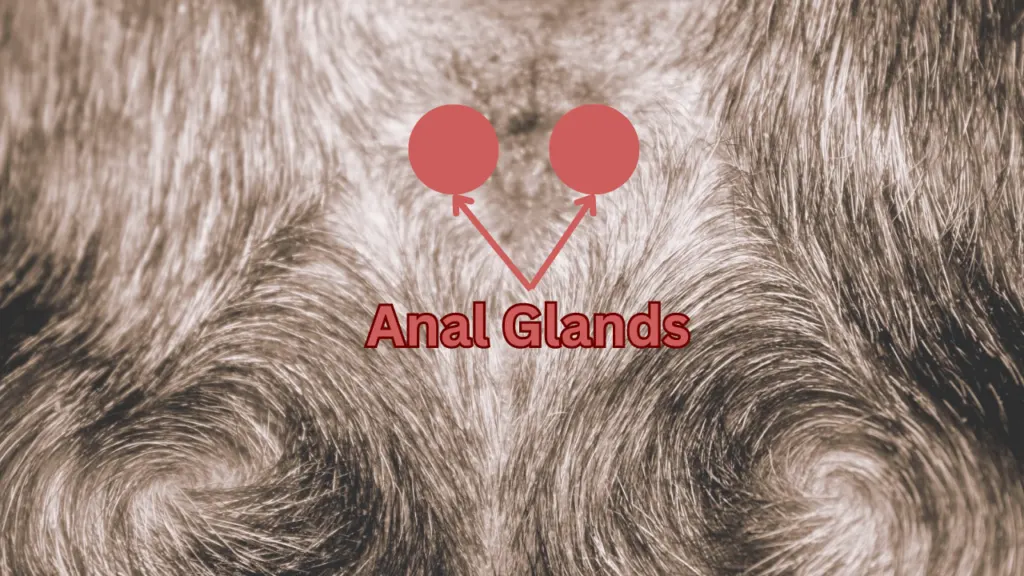
Wearing disposable gloves, gently lift your poodle’s tail to reveal the anus. The anal glands are located at approximately the 4 and 8 o’clock positions.
Step 4: Apply Lubricant and Express the Glands
Apply a small amount of lubricant on your fingers and gently insert your index finger and thumb on either side of the anus, just outside the anal gland openings. Apply gentle pressure, squeezing the glands between your fingers. This should cause the anal gland secretions to be released.
Step 5: Clean Up
After expressing the glands, use paper towels or a clean cloth to wipe away any secretions from your poodle’s fur and the surrounding area. If necessary, you may also wash the area with warm water and mild soap. Finally, dispose of the gloves and wash your hands thoroughly.
Why Do Poodle Anal Glands Smell?
Poodle anal glands produce a strong, pungent odor due to the secretion of oily, fishy-smelling substances. These secretions help dogs mark their territory and communicate with other dogs during social interactions. The smell is completely normal, but it can become more noticeable and unpleasant if the glands become impacted or infected.
The sacs sit either side of the anus and hold a strong-smelling liquid that empties when a firm stool presses on them. Soft stools, low fibre and some skin allergies are the usual reasons they do not empty. A blocked or infected gland hurts, which is why scooting and licking usually start before you notice a smell.
Can Poodle Anal Glands Be Removed?
Yes, in some cases, poodle anal glands can be surgically removed. This procedure is known as anal sacculectomy. But this is usually only suggested when the glands are causing serious or recurring problems, like infections, blockages, or abscesses. As with any surgery, risks include pain, infection, and damage to the surrounding tissues. So, it is important to talk to your vet to find out if this is the best thing to do for your poodle.
Expressing the glands often is not a healthy goal. If your poodle needs it every few weeks, the problem is the stool or the skin, not a need to have the glands squeezed. Adding fibre, checking for allergies and keeping the weight down all help the glands empty naturally.
Preventative Measures for Poodle Anal Glands Issues
To help prevent poodle anal gland issues, consider these tips:
- First, maintain a healthy diet: Feeding your poodle a fiber-rich diet can help promote healthy bowel movements and naturally express the anal glands.
- Regular grooming: Inspect your poodle’s anal area during grooming sessions and watch for signs of swelling or discomfort, which may indicate a problem.
- Exercise: Regular exercise can help support overall health and promote regular bowel movements, which may help express the anal glands.
- Monitor for signs of discomfort: Keep an eye on your poodle and watch for any signs of pain or discomfort, such as scooting, excessive licking of the anal area, or difficulty defecating. If you notice these symptoms, consult your veterinarian for proper diagnosis and treatment.
When to See a Veterinarian
It’s important to talk to your vet if you think your poodle’s anal glands might be having problems, such as:
- Persistent foul odor
- Swelling or redness around the anus
- Signs of pain or discomfort, as mentioned above
- Recurring impactions or infections
Your vet can give you the right treatment, which may include regularly squeezing the glands, giving antibiotics to treat infections, or removing the glands surgically in severe cases.
In conclusion, knowing about and taking care of poodle anal gland problems can make a big difference in your dog’s overall comfort and well-being. Regular maintenance, proper diet, and exercise are essential preventative measures to ensure your poodle’s happy and healthy life. Always consult your veterinarian if your dog has any concerns or shows signs of anal gland issues. By staying informed and proactive, you can help your poodle enjoy a comfortable and pain-free life.
Frequently asked questions
Why do my poodle's anal glands smell?
The fluid inside them is strong-smelling by design and is used for scent marking. If you smell it often, the sacs are leaking or not emptying properly, which is the sign to have them checked.
How often should anal glands be expressed?
Healthy glands do not need regular expressing. If your poodle needs it often, ask your vet to look at diet, allergies or infection instead of booking another appointment.
Can anal glands be removed?
They can be removed by surgery, but the operation is only for dogs with repeated severe problems and it carries risks, including incontinence. It is a decision for a vet, not a routine fix.
When should I see a vet?
See a vet if your poodle scoots or licks constantly, if there is swelling, redness or pain near the rear, if the discharge is bloody or thick, or if you feel a lump.
Related guides
This article is part of our health and care hub. To go deeper, see why poodles lick so much, poodle grooming and why a poodle smells.